Assess
Requirements, feasibility, system architecture, technical risk and independent review of a proposed GNSS/PNT approach.

GNSS RF simulation and SDR receiver engineering
Expert-led engineering for organizations that require more than a standard instrument. We combine consultancy, system integration, custom development and verification with GNSS RF simulators, RF front ends, SDR software receivers and signal-processing software.
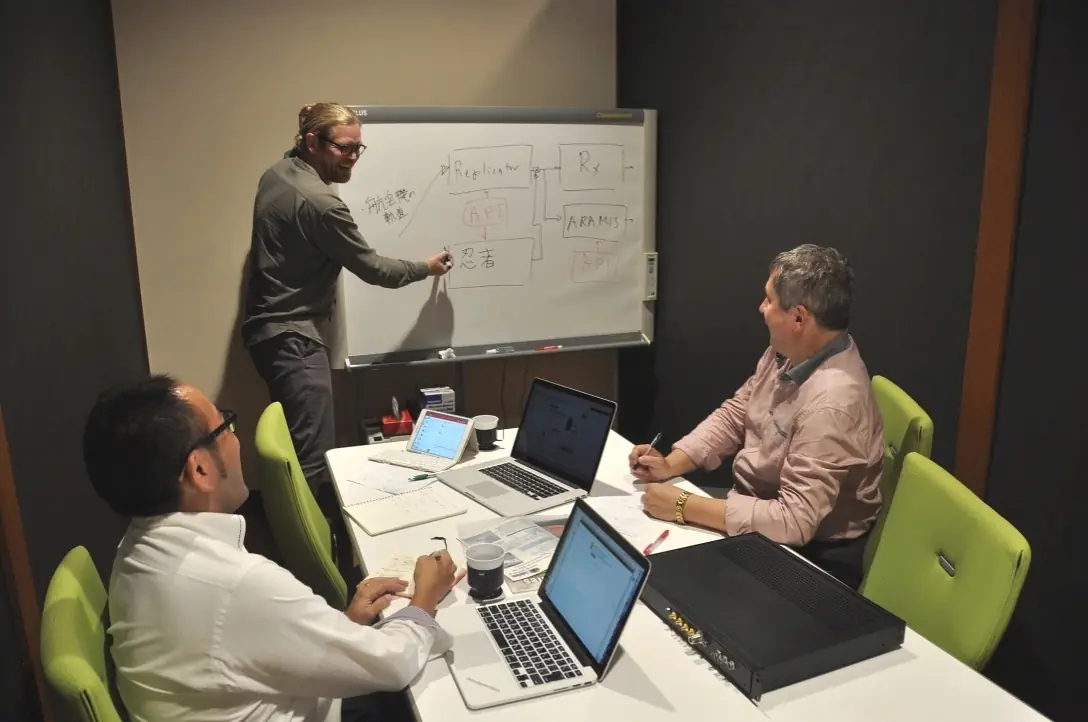
Professional ServicesEngineering supported by working tools
Engineering services
Engagements are defined around a technical objective, accessible interfaces, test evidence and agreed deliverables. Work may end in an assessment, but often continues into configured hardware, software, signal scenarios and acceptance tests.
Requirements, feasibility, system architecture, technical risk and independent review of a proposed GNSS/PNT approach.
Receiver and simulator architectures, signal models, algorithms, interfaces, experimental methods and verification plans.
Connect IP-Solutions products with customer receivers, computers, IMUs, HIL systems and existing laboratory equipment.
Controlled scenarios, recorded signals, performance analysis, troubleshooting and repeatable acceptance procedures.

Product-integrated consulting
Professional services are normally supplied with IP-Solutions equipment, software or a defined development program. This keeps the work concrete: deliverables may include configured instruments, signal scenarios, interfaces, algorithms, reports and acceptance results. Standalone technical assessments can be considered when the problem and required decision are well defined.
Specialist expertise
Our services concentrate on fields in which we also develop equipment, algorithms or experimental methods.
Typical deliverables
The exact output depends on the project, but the commercial scope is agreed before work begins.
Project basis
A project begins with the technical question, available evidence and required result—not a generic allocation of consulting hours.
Standard product pricing and non-recurring engineering are identified separately. Scope, dependencies, deliverables and acceptance criteria are agreed for each engagement.
View IP-Solutions productsExpert-led engineering
Projects are led by Dr. Ivan G. Petrovski, Principal Engineer of IP-Solutions and author or co-author of three technical textbooks published by Cambridge University Press and Springer. His work spans GNSS receivers, simulation, positioning, ionosphere, software-defined radio, field experiments and technical education.
IP-Solutions has developed specialist GNSS receiver, RF and simulator systems in Japan since 2007. Recommendations can therefore be tested and implemented using technology for which we retain direct engineering responsibility.
International projects may also be delivered with specialist engineering and integration partners where the location or project scale requires it.
Books and independent reviews Engineering history & photo archive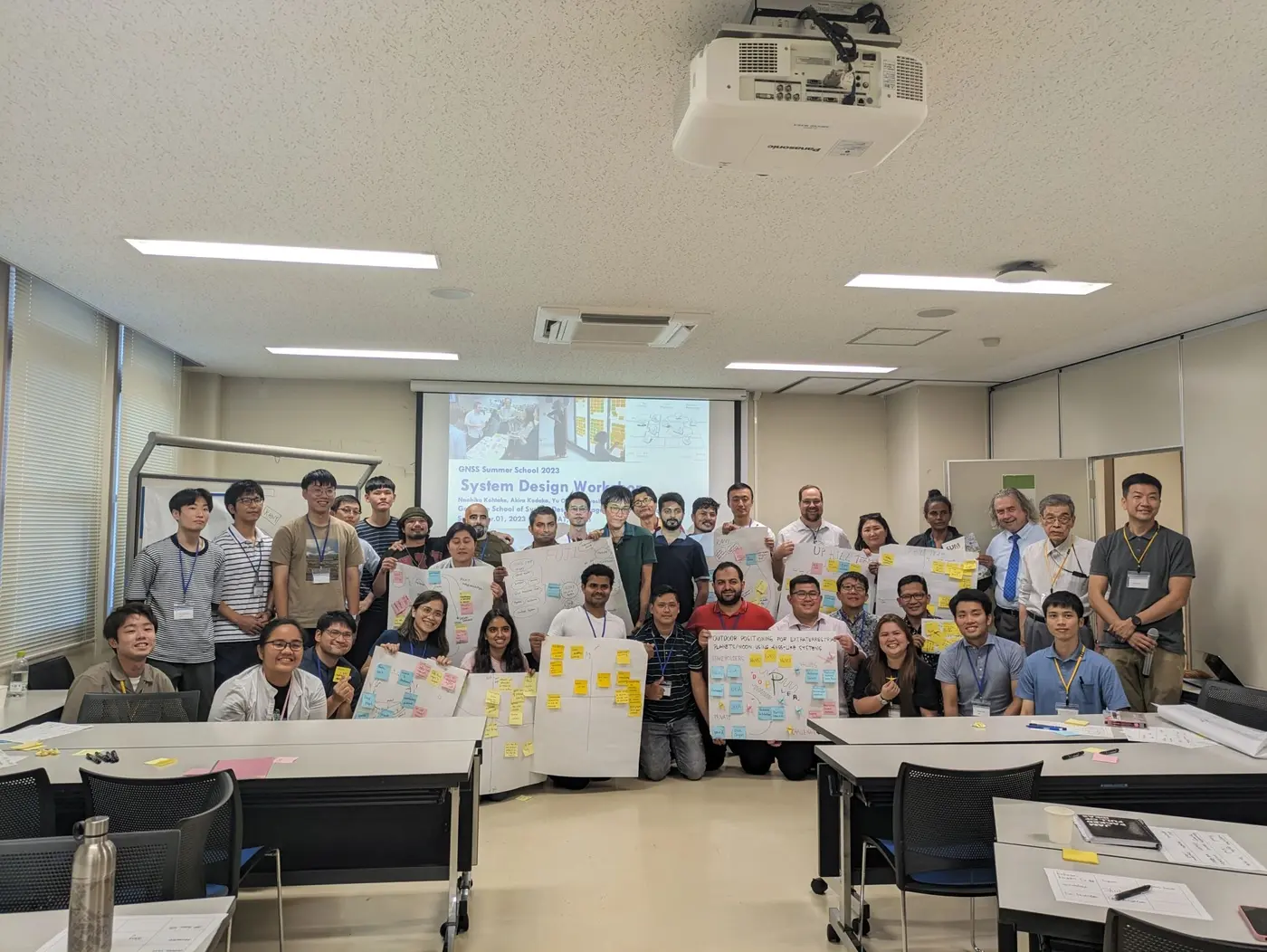
GNSS laboratories & training
Laboratory systems combine ReGen simulation, Simceiver or Replicator RF hardware, PORTOS recording, ARAMIS ISM, ARAMIS R&D or RAD receiver processing, inertial sensors, experiments and textbooks. A configuration is selected around the users, accessible processing levels and required technical outcomes—not simply a collection of instruments.
International GNSS Summer Schools (2013–2025)
IP-Solutions and Dr. Ivan G. Petrovski were involved in organizing and supporting the IPNTJ and TUMSAT International GNSS Summer Schools in Tokyo (2013–2025), contributing lectures, practical simulator and SDR receiver classes, equipment and company support.
A 2013 presentation published by the United Nations Office for Outer Space Affairs identifies Dr. Petrovski as Guest Professor at TUMSAT and Director of iP-Solutions, responsible for the two-day “GNSS Signal and Receiver” class. It also lists iP-Solutions among the organizations cooperating with the school.
View the official UN document Demonstrations & lecturesProject enquiry
Tell us what must be designed, integrated, measured, simulated or demonstrated; the available equipment and interfaces; the expected deliverables; and the approximate budget and schedule.
Discuss a professional-services project